

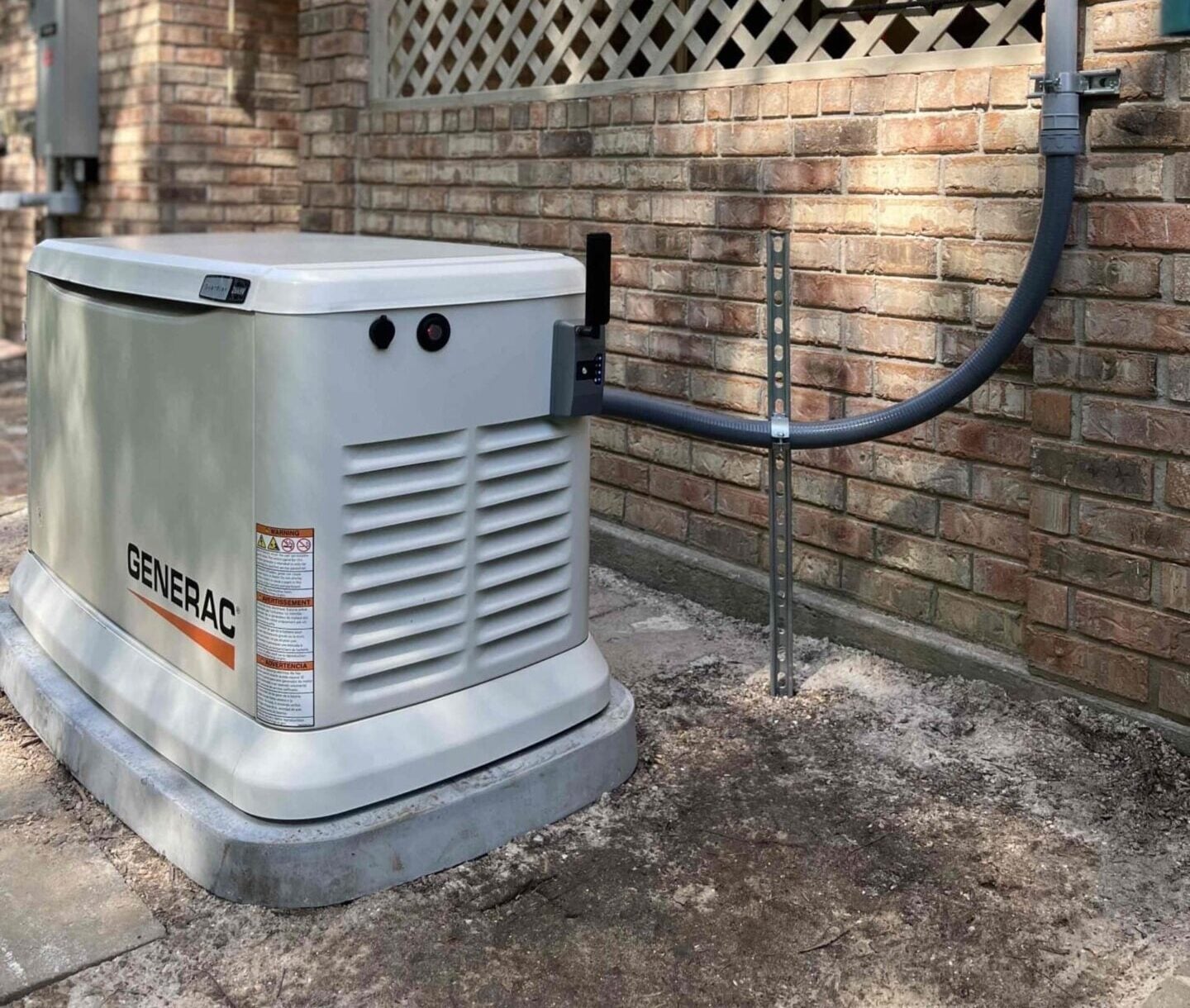
A useful power outage prep checklist for South Louisiana starts before the lights go out. The aim is to know what your household needs, which decisions belong to a qualified professional and where you will turn for reliable instructions. A generator can be part of that plan, but it does not replace supplies, communication or an evacuation plan.
Use this checklist as a planning worksheet for your home in Houma, Lafayette or a surrounding community. Review it with the people who live with you. Keep the practical details somewhere everyone can find, including a paper copy of essential contacts.
Before a storm: review the electrical questions
- Record existing electrical concerns rather than waiting for an outage to investigate them.
- Arrange a professional assessment for unexplained electrical problems or planned backup-power work.
- Locate equipment documentation and previous service records.
- Write down the devices you want available if utility power is interrupted.
Describe symptoms and priorities when requesting service. Avoid turning the checklist into a do-it-yourself panel inspection or repair plan. A qualified electrician can determine what needs attention and explain the work. Shockwave’s whole-home surge protection information is a starting point for one part of that discussion; surge protection does not supply backup power.
Check your backup-power plan
If you already own a generator, review its instructions and maintenance records before it is needed. Know who is responsible for operation, where the records are stored and how service concerns should be reported. Ask a professional about unresolved faults rather than assuming the system is ready because it started during a previous outage.
If you are considering a new installation, compare the intended coverage with your household’s needs. Refrigeration, lighting, communications and other equipment may have different priorities. Ask the proposal to identify covered loads, limitations and the responsibilities involved in operating the system.
Review Shockwave’s whole-home generator services for a permanent backup discussion. Keep the assessment separate from an urgent storm response. Equipment selection, site conditions, approvals and installation scheduling need time and cannot be reduced to a guaranteed last-minute appointment.
Our backup-generator comparison for hurricane preparation can help organize equipment questions before an assessment.
Prepare supplies and a communication plan
The American Red Cross power outage guide recommends planning for food, water, communication, personal electrical needs and a support network. Include pets and any medical requirements. Discuss power-dependent medical equipment and refrigerated medicine with the appropriate healthcare or equipment provider before an emergency.
- Choose a place for your household’s emergency information.
- Agree on who will check official updates and who will contact relatives.
- Review the supplies and charging equipment you already have.
- Identify decisions that would require leaving the home.
Make the plan usable for the people who will actually follow it. Someone who is away during the day may need a different contact process from a person staying at home. Do not assume everyone can access the same phone, app or online account during an interruption.
Keep generator safety visible
Portable generators must never run inside a home or garage. The CDC advises outdoor operation more than 20 feet from windows, doors and vents, with appropriate battery-powered or battery-backup carbon monoxide alarms in the home. Carbon monoxide cannot be reliably detected by smell.
Follow the equipment instructions. The Red Cross generator safety guide warns against connecting a generator to house wiring through a wall outlet. Have an electrician plan a proper connection. Keep portable equipment dry and allow it to cool before refueling.
When the power goes out
Follow local emergency instructions and utility updates. The Red Cross advises using flashlights instead of candles, keeping refrigerator and freezer doors closed, and checking whether home conditions or medical needs require moving to a safer location. Its guidance also calls for avoiding fallen power lines and electrical equipment exposed to flooding.
Use the contact and household plans you prepared, and keep track of what has changed. Backup power does not override evacuation instructions. If conditions are unsafe or an immediate emergency develops, contact emergency services rather than waiting for a routine contractor appointment.
Afterward: review what needs professional attention
Record equipment concerns and any changes you noticed. Have potentially damaged electrical systems assessed by a qualified professional before reuse. For non-immediate service needs, review Shockwave’s emergency electrical service information and describe the situation clearly when calling.
Update the checklist after the event. Which contacts were useful? Which equipment or instructions were missing? Use those observations to prepare a better plan for the next interruption.
Give the updated plan a review date and make sure another household member can find it. A checklist is most useful when the contact details, equipment records and responsibilities still match the home.
Plan the electrical work ahead
Contact Shockwave to discuss your home’s backup-power and electrical questions. Request a scope based on your property and keep the household preparedness plan alongside it, ready for review before the next storm.