

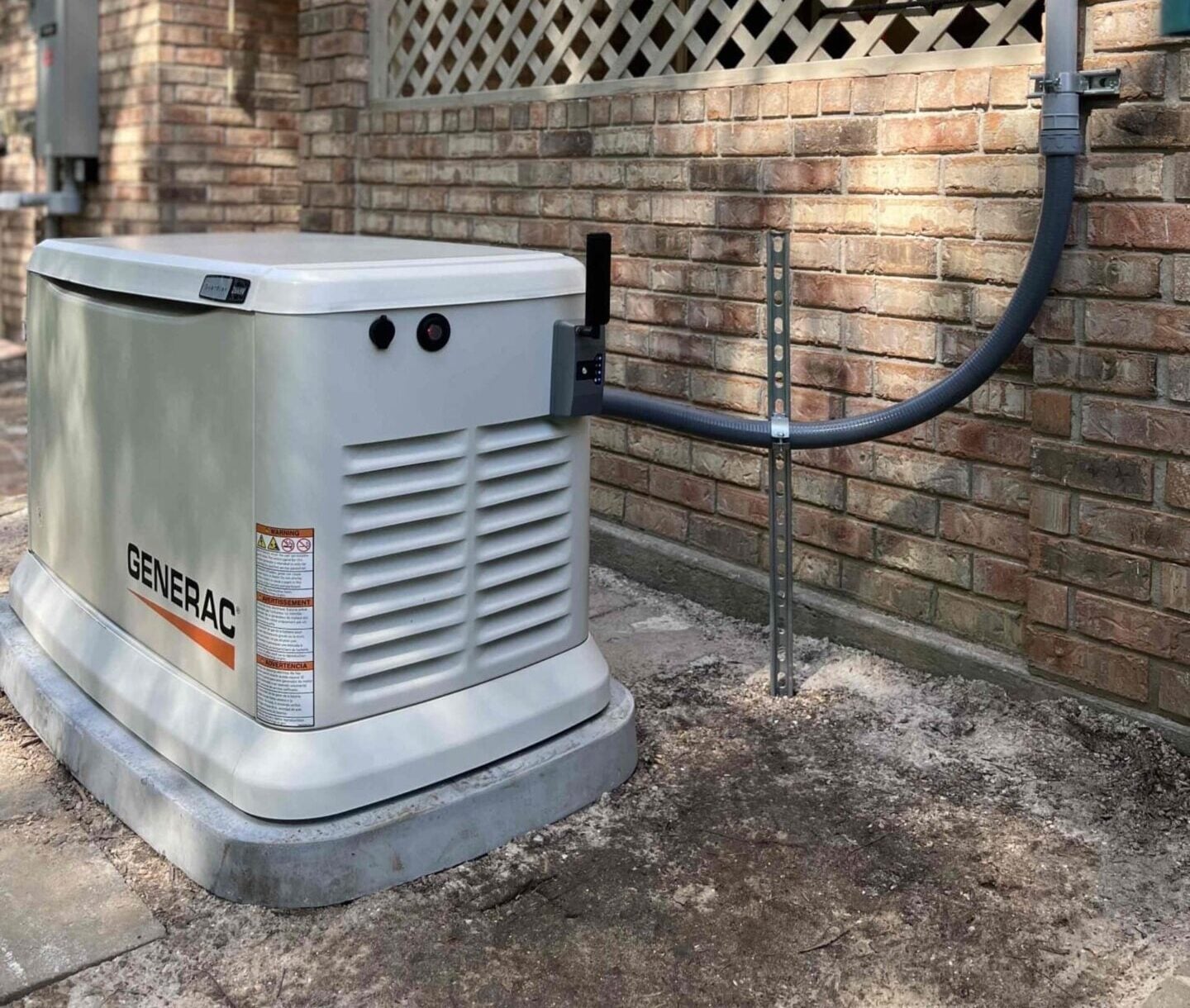
The best backup generator for hurricanes is the one that fits your home’s electrical needs, installation conditions and ability to use it safely. There is no single model that answers every South Louisiana household’s situation. Before comparing equipment, decide what you need powered and how you want the backup system to work.
For homeowners in Houma, Lafayette and surrounding communities, that conversation is easier before a storm creates urgent decisions. Use the questions below to compare a portable generator with a permanently installed standby system, then have a qualified professional evaluate the property. Equipment selection should follow a clear plan rather than a last-minute shopping list.
Start with your household’s power priorities
Write down the equipment that matters during an interruption. Refrigeration, lighting, cooling, communications and other household needs may have different priorities. Separate essentials from conveniences, and include the people who will be home when the system is needed.
Ask how the proposed equipment handles both normal operation and starting demands. The number of rooms or the home’s square footage cannot answer every sizing question. A professional assessment should translate your priorities into a defined scope, including what will not be powered and whether loads need to be managed.
Portable and standby generators: compare the whole arrangement
A portable generator involves equipment that must be positioned and operated according to its instructions when needed. Think through storage, safe outdoor placement, fuel handling and who can perform the required tasks. A low purchase price does not remove those responsibilities.
A permanently installed standby system is planned around the property’s electrical system and fuel arrangements. Discuss the generator, transfer equipment and installation together. The proposal should explain the intended operating sequence, covered loads and homeowner responsibilities rather than relying on the word automatic to answer every question.
Review Shockwave’s whole-home generator services if a permanent installation fits your goals. If you prefer a particular manufacturer, the Generac service page provides another starting point. Compare suitable systems against the same household requirements.
Choose capacity with an electrician
Bring information about major equipment, existing backup equipment and planned additions to the assessment. Ask why the recommended capacity fits the required loads. If two proposals differ, request an explanation of their assumptions instead of treating the larger number as an automatic improvement.
A useful written plan identifies the equipment that can operate together and any limitations. It should also explain whether an electrical upgrade is needed for the proposed installation. Those details can affect the scope and cost even when two quotes name similarly sized generators.
Natural gas, propane and the fuel-supply question
Fuel selection needs a property-specific conversation. Ask which fuels the proposed equipment supports, what supply is available and what additional work may be required. Where a tank is involved, discuss sizing, placement and replenishment with the appropriate provider.
Do not assume any fuel arrangement guarantees unlimited runtime through a storm. Review the equipment’s requirements, the available supply and the practical plan for an extended interruption. Have the installer explain which fuel-related work is included and which responsibilities belong to someone else.
Safety is part of the selection
The CDC’s carbon monoxide guidance says portable generators belong outdoors, more than 20 feet from doors, windows and vents. A garage is not a safe operating location, even with its door open. Use appropriate battery-powered or battery-backup carbon monoxide alarms.
The American Red Cross generator guide warns against powering house wiring through a wall outlet. Have an electrician plan a proper connection. Follow the manufacturer’s operating instructions, keep portable equipment out of wet conditions and let it cool before refueling.
For a permanent installation, ask the installer to explain applicable placement and connection requirements for the selected model. A general article cannot determine a safe equipment location for your property. Keep the instructions accessible and make sure the intended operator understands them.
What makes a plan ready for South Louisiana?
Focus on practical preparation: an assessed installation, a known operating procedure, maintenance records and a plan for contacting the right provider. Ask about equipment access, service availability at your address and how concerns should be reported before an outage.
Storm planning also includes decisions a generator cannot make for you. Follow local emergency instructions and keep evacuation plans separate from the equipment purchase. Backup power is one component of preparedness; it is not a reason to ignore an order to leave.
For related planning, read our South Louisiana storm-season electrical preparation guide.
Compare installation and ownership costs
Ask estimates to identify site preparation, transfer equipment, electrical work, fuel-related work, approvals, inspections and testing. Clarify exclusions and ongoing maintenance. Compare complete scopes rather than comparing only the price of the generator cabinet.
Shockwave’s financing information can help you frame payment questions. Confirm current eligibility and written terms directly. No specific discount, financing approval, warranty duration or installation date is promised here.
Questions to bring to your assessment
- Which household loads does this proposal cover, and what are its limits?
- What installation work and supporting equipment are included?
- Who coordinates fuel arrangements, approvals and inspections?
- What testing, documentation and operating guidance will I receive?
- What maintenance is required, and how do I arrange service?
Find the right backup plan for your home
Explore Shockwave’s generator installation services and request an assessment. The best next step is a clear conversation about your property, priorities and current project schedule, followed by a written proposal you understand.